How Dash Cams Can Impact Your Personal Injury Case
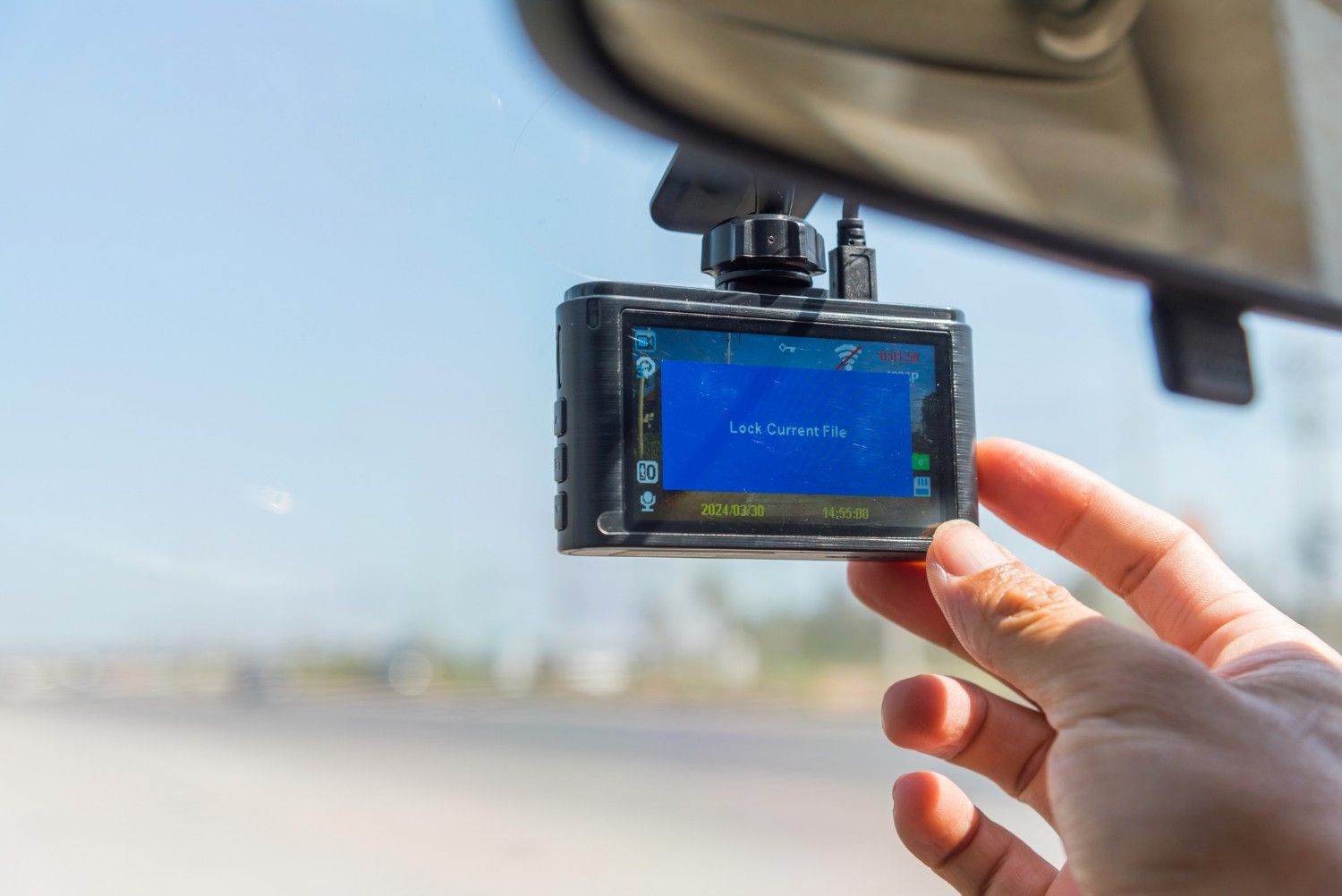
Dashboard cameras were once a niche gadget reserved for commercial vehicles, but today, more and more passenger cars have cameras mounted to the dashboard. Drivers want peace of mind, and a dash cam delivers just that. When a crash turns your life upside down, that small device may carry more weight than you’d expect.
What to Know About Dash Cam Footage in Injury Claims
If you’ve been in a dash cam car accident, the first question is often whether the footage even counts. In Florida, dash cam evidence is usually admissible in court as long as it meets basic legal standards. This means the footage must be relevant, authentic, and obtained legally. It can’t violate privacy laws or be altered in a misleading way.
Your personal injury attorney in St. Augustine will review the dash cam footage closely to confirm it meets these requirements. If it does, the video showing what happened in the crash becomes a powerful tool. A definitive, real-time record removes much of the guesswork and conflicting testimony that often slows down injury claims. The footage makes your stance more convincing, helps determine fault, and affects how your claim unfolds.
Common Challenges People Face Without Video Evidence
When there is no footage, things can get complicated. Insurance companies and opposing attorneys tend to question every detail. The uncertainty may work against you, especially if the other party disputes fault. Here are some common issues people run into without dash cam evidence:
- Difficulty proving fault: This is one of the most important parts of a personal injury case. Without footage to support your claim, proving who caused the crash is more complicated.
- Conflicting accounts: Drivers involved in an accident often remember events differently, and some may try to deflect fault to protect themselves. Without video, you have nothing but one person’s word against another, which makes it difficult to establish what truly happened.
- Overreliance on witness statements: Unbiased witnesses can add a helpful perspective, but they may not have seen the entire accident or may forget details as time passes. Their statements are most effective when they support video evidence, not replace it.
- Insurance pushback: Adjusters may challenge your version of events or attempt to minimize your injuries. Without clear proof, they have more room to argue for a lower payout.
- Delays: Disputes over facts can slow down the process. You may have to wait longer for compensation while your personal injury lawyer in St. Johns County investigates the details.
These challenges show why more drivers are installing dash cams. A simple recording removes many of these roadblocks before they ever come up.
How Personal Injury Lawyers Use Dashcam Footage
If you have dash cam footage of your recent accident, expect it to be a central part of building your case. Here’s how the process usually works:
- Establishing fault: Footage from your dash cam may show the other driver’s behavior right before impact, such as speeding, making unsafe lane changes, or failing to yield. It’s easier to prove liability when you have a recording of such recklessness.
- Supporting your claim for damages: The video may reveal the severity of the crash, which gives context to your medical records and other evidence tied to your losses.
- Challenging inaccurate claims: If the other driver gives a different version of events, dash cam evidence can expose statements that don’t line up with the facts.
- Strengthening settlement negotiations: Insurance companies take claims more seriously when compelling video is involved. This evidence leads to more productive negotiations and better settlement offers.
- Preparing for trial: If your case goes to court, expect your lawyer to reference the footage among other pieces of evidence.
It’s important to understand that dash cam evidence works both ways. If the footage shows you contributed to the accident, it may affect your claim. Florida follows a comparative fault system, which means your compensation could be reduced based on your level of responsibility. A personal injury attorney will guide you through this and build the strongest case possible based on the facts.
Seek Legal Support After a Dash Cam Car Accident
Dash cams have changed how attorneys handle injury claims, and the right legal support puts you in a strong position. J Johnson Law Firm, PLLC, offers local, trusted representation throughout Northeast Florida, led by attorney Josh Johnson. Our firm focuses on personalized legal support, clear communication, and direct access to an experienced attorney who stays involved in your case from start to finish. We take pride in being responsive, transparent, and committed to pursuing the full compensation our clients deserve. Call today to speak with an attorney in St. Augustine and start building your case.
FAQs on Dash Cams and Personal Injury Cases
Can I still file a claim if I don’t have dash cam footage?
You have the right to pursue a personal injury claim with or without video evidence. Your attorney will rely on other information to build your case, such as police reports, medical records, and witness statements.
How long should I keep dash cam footage after an accident?
Save the footage immediately and keep it until your case is fully resolved. Important evidence can be overwritten or lost, so make copies and store them in multiple places, such as a computer, flash drive, or cloud storage.
Do insurance companies always accept dash cam evidence?
Insurance companies review the footage as part of their investigation, but they don’t always take it at face value. They may analyze the video closely or look for ways to interpret it in their favor. A personal injury lawyer presents the footage in a way that supports your claim and addresses any disputes.
Should I save dash cam footage if it doesn’t fully support my case?
Yes, always preserve dash cam footage after an accident, even if it shows details that may work against you. Hiding or deleting evidence can create legal problems and damage your credibility. Share the footage with a personal injury attorney so they can review it and determine the best course of action.

All Categories
Recent Posts

What To Do After a Slip and Fall in a Restaurant

What To Do If You’ve Been Injured in an Electric Bike Accident in Florida